Discover Balance & Begin Your Wellness Journey with the Whole You: Holistic Wellness Guide
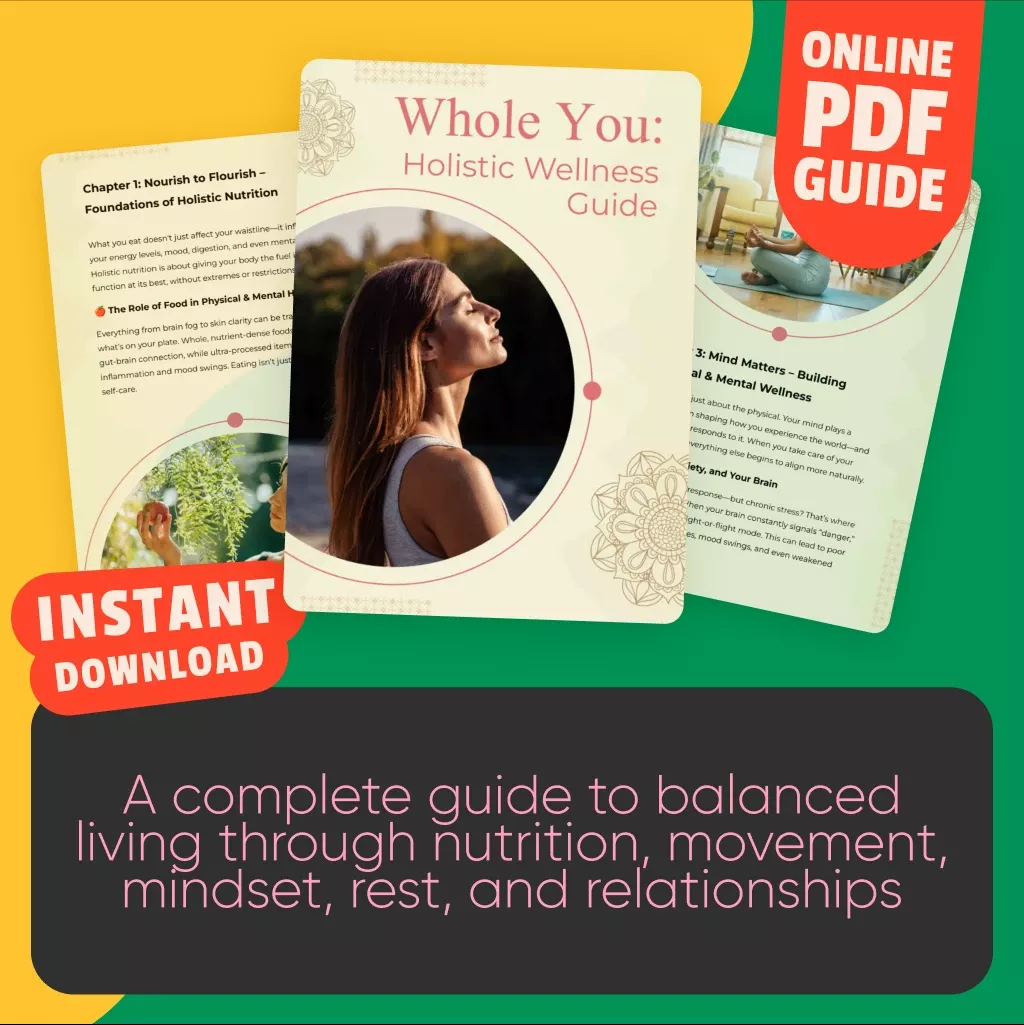
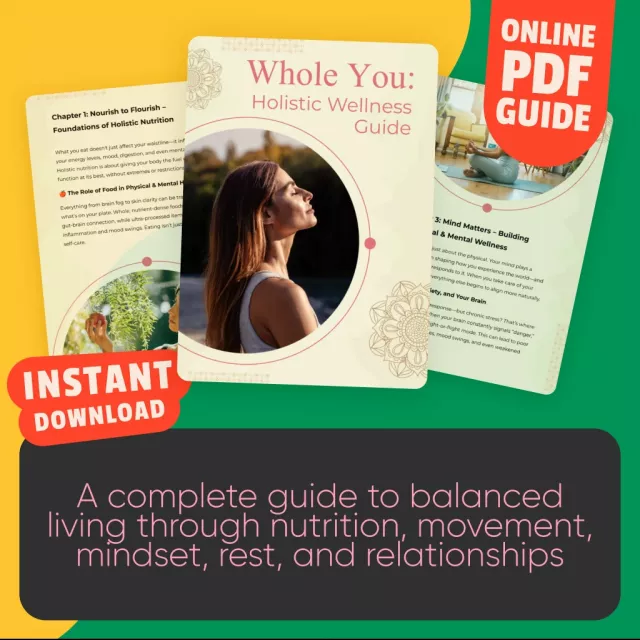
Ready to feel more energized, connected, and in control of your well-being—but don’t know where to start? The Whole You: Holistic Wellness Guide is your beginner-friendly roadmap to reclaiming balance in your everyday life. This beautifully designed digital download walks you through the essential pillars of holistic wellness: nutrition, exercise, mental health, and social well-being, with a special focus on self-care strategies you can actually stick to.
Whether you’re just starting your wellness journey or looking to rebuild healthy habits with a fresh perspective, this easy-to-follow ebook will give you clarity, confidence, and tools to take care of your whole self—mind, body, and soul.
What’s Inside the Whole You: Holistic Wellness Guide?
- Introduction: What is Holistic Wellness? Understanding balance and the whole-person approach
- Nourish to Flourish: Simple meal planning, the role of food in mental health, and avoiding diet culture pitfalls
- Move with Purpose: How movement affects your mood, building sustainable routines, and real-life transformation
- Mind Matters: Practical mental health check-ins, managing stress, and recognizing true self-care
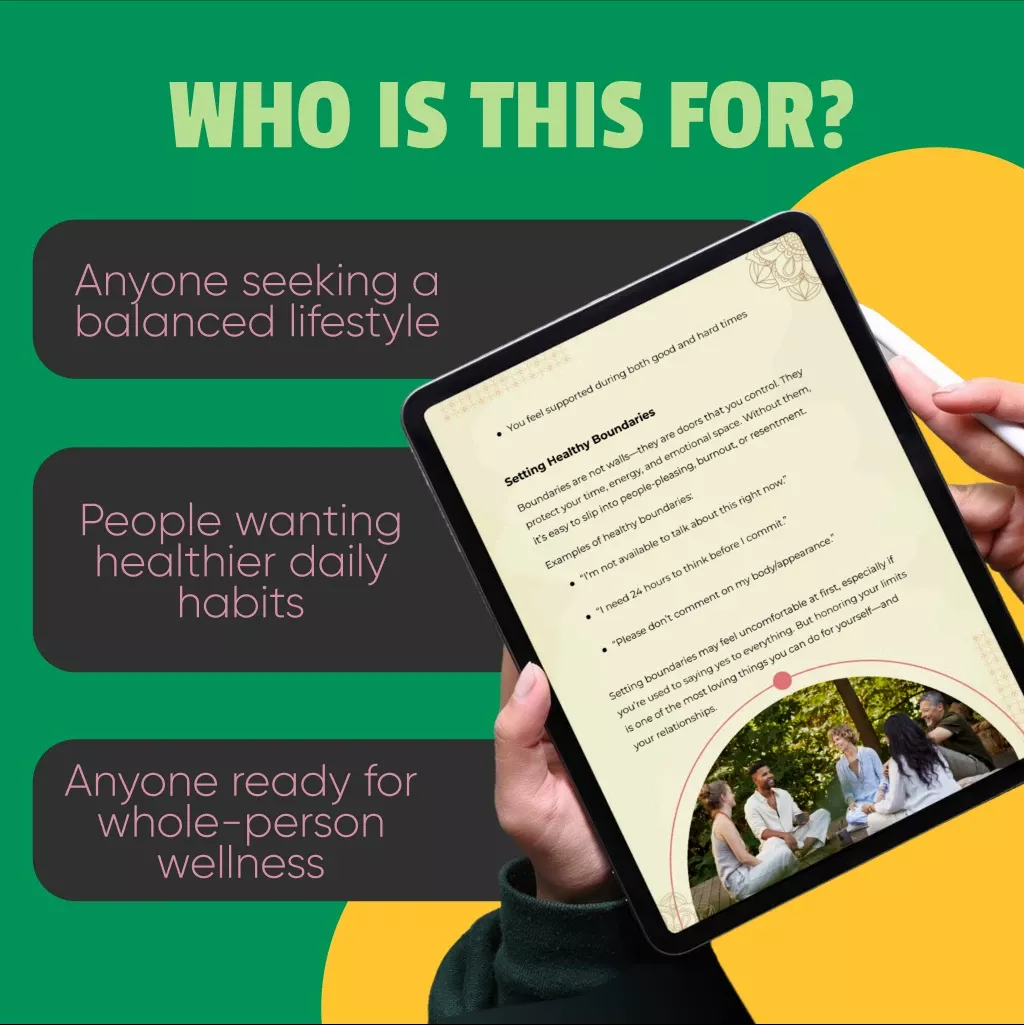
- Connect & Thrive: Social well-being, communication habits, and healthy boundaries
- The Power of Rest: Sleep hygiene, digital detox tips, and how to recover from burnout
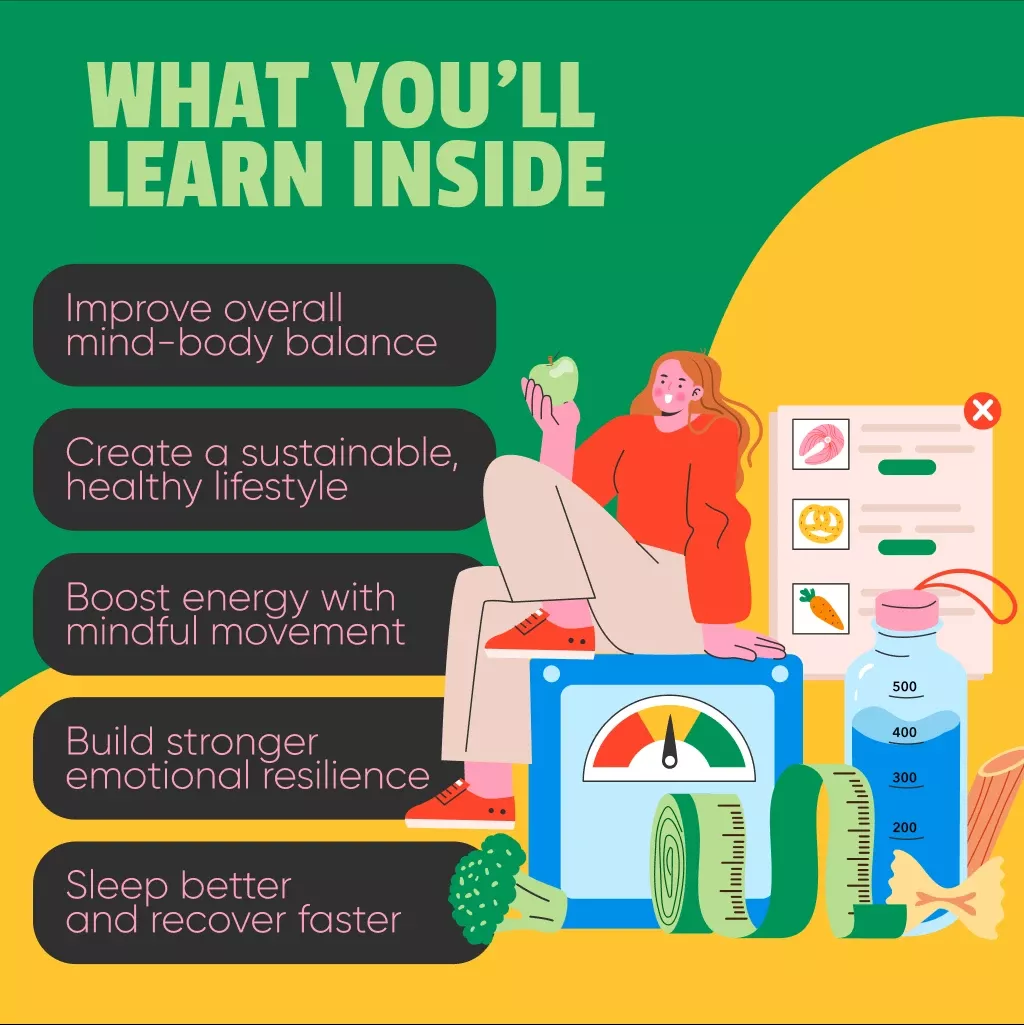
What You’ll Gain from This Digital Download:
- Clarity on what holistic wellness really means and how to apply it daily
- Simple, actionable steps for eating well, moving with intention, and caring for your mind
- Tools and prompts to help you reflect, reset, and grow
- A flexible, no-pressure approach to wellness that honors your lifestyle and energy levels
- Empowerment to build a life rooted in balance, not burnout
Why This Wellness Ebook is Different
Unlike other guides that overwhelm you with rigid rules or unrealistic expectations, the Whole You: Holistic Wellness Guide meets you where you are. It’s practical, warm, and rooted in real-life strategies that work for real people—especially those starting from scratch. You’ll learn how to nourish your body, support your mental health, and foster meaningful connections without burning out or giving up.
Take the First Step Toward a More Balanced, Whole You
This isn’t just another ebook—it’s your new wellness companion. Download the Whole You: Holistic Wellness Guide today and start creating a life that feels more balanced, joyful, and aligned. Because when you care for the whole you, everything changes.
Instant digital download. Start your journey today!
Order cancellation
All orders can be cancelled until they are shipped. If your order has been paid and you need to make a change or cancel an order, you must contact us within 12 hours. Once the packaging and shipping process has started, it can no longer be cancelled.
Refunds
Your satisfaction is our #1 priority. Therefore, you can request a refund or reshipment for ordered products if:
- If you did not receive the product within the guaranteed time( 45 days not including 2-5 day processing) you can request a refund or a reshipment.
- If you received the wrong item you can request a refund or a reshipment.
- If you do not want the product you’ve received you may request a refund but you must return the item at your expense and the item must be unused.
We do not issue the refund if:
- Your order did not arrive due to factors within your control (i.e. providing the wrong shipping address)
- Your order did not arrive due to exceptional circumstances outside the control of simpledevices.shop (i.e. not cleared by customs, delayed by a natural disaster).
- Other exceptional circumstances outside the control of https://simpledevices.shop
*You can submit refund requests within 15 days after the guaranteed period for delivery (45 days) has expired. You can do it by sending a message on Contact Us page
If you are approved for a refund, then your refund will be processed, and a credit will automatically be applied to your credit card or original method of payment, within 14 days.
Exchanges
If for any reason you would like to exchange your product, perhaps for a different size in clothing. You must contact us first and we will guide you through the steps.
Please do not send your purchase back to us unless we authorise you to do so.
Instant download
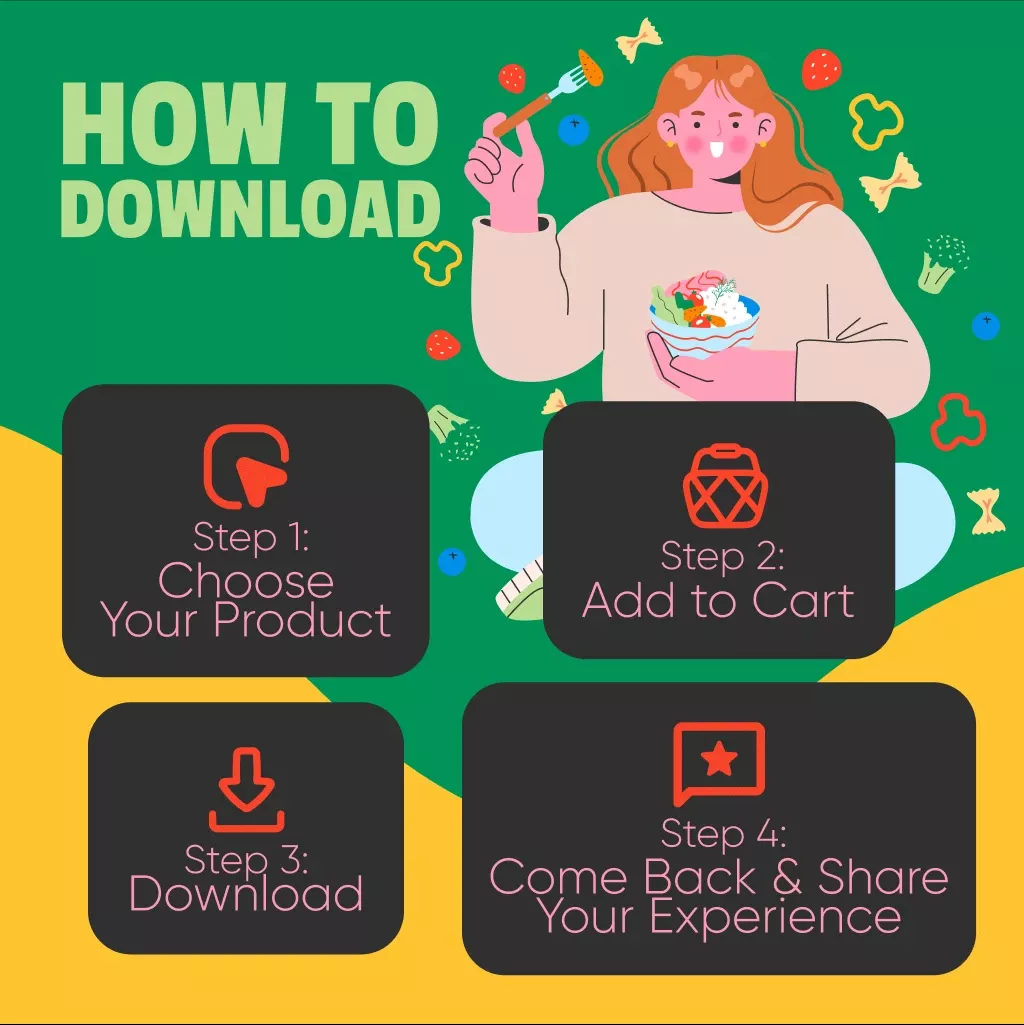
Your purchase will be available to download once payment is confirmed.
Instant download items don’t accept returns, exchanges or cancellations. Please contact us if you have any problems



This wellness guide offered so much more than I anticipated. The sections on nutrition gave me fresh perspective, and the exercise suggestions were realistic. What stood out most was the focus on mental balance—it reminded me that self-care goes beyond just food and movement. I felt encouraged instead of pressured, which is rare.🌞
Let’s dive into this guide, shall we? I’ve got to say, it really helped me rethink what a balanced lifestyle means. It’s not about forcing yourself into some intense workout routine or living off of salad every day. It's much more than that. This guide opened my eyes to the broader picture of well-being – it’s about balance, not extremes. 🌱 What I love most is how it emphasizes mental health and self-care. When most people hear "self-care," they think of face masks or taking long bubble baths, but it’s way more than that. This guide really helped me understand that nurturing your mind is just as important as looking after your body. It offers practical advice on managing stress, improving your mood, and getting better sleep – things that make a big difference in maintaining a positive and clear mindset. The guide doesn’t push any unrealistic expectations. It doesn’t suggest you starve yourself or follow an extreme diet plan. Instead, it encourages small, sustainable changes in your eating habits that lead to lasting improvements in both your physical and mental health. Simple, practical tips that really add up over time. 🥗 And when it comes to exercise, it’s not about spending hours in the gym every day or doing intense workouts. Instead, it focuses on the idea that small, consistent steps can lead to big changes. Whether it’s walking more during the day or taking the stairs instead of the elevator, it’s all about making little adjustments that add up and make you feel better over time. What’s great about this guide is that it doesn’t overwhelm you. It breaks everything down into manageable pieces and makes the whole process feel achievable. Whether you’re just starting out or looking to make some improvements, this guide offers easy-to-follow strategies that fit into any lifestyle. 🌟 So if you’re searching for a straightforward, effective way to live a healthier, more balanced life, I highly recommend giving this guide a try. It’s been a real game-changer for me, and I’m sure it could be for you too!
What I loved about this book was how approachable it felt. Often, guides on wellness can be too clinical or full of jargon, but here everything was explained in simple terms that made sense to me. I especially enjoyed the part on self-care—it reminded me that wellness isn’t only about eating right and exercising, but also about giving yourself permission to rest and recharge. The nutrition advice gave me fresh ideas without forcing strict diets, and the exercise guidance offered flexibility instead of rigid routines. Most importantly, it created a sense of hope. I no longer feel like improving my health is impossible or intimidating. Instead, I feel like I have the tools to move forward in a sustainable way. It’s uplifting, motivating, and written in such a kind voice that it feels like someone cheering you on from the sidelines.
approachable content perfect for beginners starting their wellness journey today.
This ebook truly surprised me. It doesn’t overwhelm you with technical language, instead it gently walks you through practical steps for better nutrition, mindful movement, and daily balance. I appreciated how it focused on realistic habits that actually fit into a busy lifestyle. After reading, I felt motivated and capable of making changes immediately.
🤗🌷
I love how the focus isn't just on physical well-being but also emotional and psychological well-being too! 🌟
i’m honestly impressed by how thoughtful and gentle this guide was. i’ve tried so many resources that left me stressed or overwhelmed, but this was different. it’s filled with practical suggestions that actually fit into my life, not unrealistic advice. i liked how it combined nutrition, movement, and mental health all together instead of treating them as separate pieces. that made it feel more holistic and true to how life actually works. the part about daily self-care stood out to me, since i often neglect that area. i’ve already started using a couple of the tips and i feel lighter, more grounded, and more hopeful. what really matters is that it feels sustainable—something i can stick with instead of abandoning after a week. this is a resource i’ll return to again and again whenever i need encouragement or a reset in my routines.
Supportive
What an insightful read! Truly encourages you to take care of yourself both physically and mentally 😊
Just finished reading this digital wellness guide and I'm feeling so inspired! The nutrition information was easy to understand, the exercise tips were practical, and the self-care advice made me feel seen. 🙌
This ebook has been a great addition to my wellness journey. It's beginner-friendly but still packed with valuable insights on mental health and holistic living.
This resource brought me a kind of peace I didn’t expect. From the first page, I felt reassured that taking care of myself doesn’t need to be overwhelming. The sections on nutrition, movement, and self-care were written in such a clear and comforting way that I felt supported at every step. I especially loved how the nutrition advice encouraged balance, not restriction—it was about adding nourishing foods, not cutting everything out. The exercise guidance was practical, offering small steps I could take even on my busiest days. But what truly made this impactful was the emphasis on mental well-being. So often, that part gets ignored, but here it was treated as essential, and it reminded me to care for my inner self just as much as my body. After finishing, I felt lighter, calmer, and more capable of making real changes. It’s not about chasing perfection—it’s about kindness and consistency, and that message has stayed with me.
A gem of an ebook! It covers all aspects of wellness from diet to workout routines to mental well-being practices in a way that's approachable for beginners like me.
Wow! This ebook is such a helpful resource—especially loved how it integrates physical fitness AND emotional wellbeing into one comprehensive package.
Comforting
I didn’t expect such a smooth and calming read. The way nutrition, exercise, and mindfulness are presented makes them easy to connect with. The writing feels down-to-earth, and I never felt judged. Instead, I felt inspired to try one small step at a time. It’s exactly what I needed to regain balance in my life.
Just finished reading this wellness guide and it's a breath of fresh air! It covers everything from nutrition to self-care, all in an easy-to-understand format. 👍
I've been trying to improve my mental health and this ebook has been super helpful. The sections on exercise and self-care have particularly resonated with me.
I just finished reading this ebook, and I have to say, it really opened my eyes to a more balanced approach to wellness. What I appreciate most is how it takes into account every aspect of health – not just one thing, but everything that makes us feel good and function well. It covers nutrition, exercise, mental health, and self-care, all in a way that feels practical and accessible. 🌱 Let’s start with the nutrition section. It’s not your typical “eat more vegetables and you’ll be fine” advice. Instead, it digs into how the right foods can really fuel your body and support your overall well-being. There are some great tips on what kinds of nutrients our bodies need, along with easy-to-follow recipes that anyone can make, even if you’re not a pro in the kitchen (trust me, I’m proof of that! 😅). Then, the exercise part. What I love about this ebook is that it doesn’t push you to commit to a crazy gym routine. Instead, it offers practical ways to fit in movement throughout your day, whether you're at home or working in an office. Simple changes like taking the stairs more often or doing a quick stretch between meetings can make a big difference over time. 💪 But here's the real kicker: the focus on mental health. In today’s world, where stress and anxiety are such common issues, this book gives you real tools to handle them. From mindfulness exercises to strategies for managing stress, it gives you easy ways to take care of your mind, which is just as important as taking care of your body. 🧘♀️ Finally, the self-care section really hit home for me. It’s a reminder that self-care isn’t just about pampering yourself once in a while – it’s an essential part of living a healthy life. Whether it’s carving out time for yourself or finding ways to unwind, this part of the ebook gives great advice on making self-care a regular practice, not a luxury. All in all, this ebook is a great resource if you’re looking for a balanced approach to health and wellness that’s both comprehensive and easy to follow. It’s clear, practical, and realistic, and I definitely recommend it if you’re looking to improve your overall well-being. Thumbs up from me! 👍😊
This digital download is exactly what I needed for my wellness journey! Comprehensive coverage on exercise, mental health, and more... Love it!
🌸🌸🌸🌸🌸
Refreshing
Totally worth every penny spent on this digital download! So many practical tips on how to take care of yourself physically and mentally.
This guide exceeded my expectations in so many ways. From the first chapter, I felt reassured by the approachable tone and the simple, step-by-step advice. It doesn’t lecture or overwhelm—it feels supportive and realistic, which made me want to keep reading. I really appreciated the way it emphasized mental health along with physical wellness, because I’ve often struggled to balance both. The nutrition content gave me practical tips without making me feel restricted, and the exercise recommendations were designed to be flexible. I especially loved the reminders about kindness and self-care, which made me rethink how I treat myself daily. By the time I finished, I felt lighter, calmer, and motivated to create new habits. It’s one of the few resources I’ve come across that doesn’t leave me feeling pressured, but instead leaves me feeling empowered and ready to keep moving forward at my own pace.
If you're looking for guidance that goes beyond just physical exercises or diets then definitely give it a try. It emphasizes the importance of balance between mind-body-soul 🧘♀️
Wow, this guide has really helped me kickstart my wellness journey! The nutrition advice is straightforward and easy to follow. I feel healthier already! 😊
Very approachable and enjoyable to read. The flow between chapters makes it easy to absorb, and I found myself highlighting passages to revisit later. It’s not just about diet or fitness but about overall well-being, which I really appreciate. I especially loved the reminders about rest and kindness toward yourself. Definitely something I’ll keep close.
This beginner's guide is so comprehensive - covers exercise, diet, self-care AND mental health. It’s like having a personal coach!
Thanks to this digital download, I’ve started making small changes daily...and they're adding up! Big thumbs up 👍
i didn’t think a simple guide could impact me so much, but this one did. the writing style was calming and supportive, which made it enjoyable to read. i especially loved how it connected all aspects of wellness—food, exercise, and mental health—into one bigger picture instead of separating them. the nutrition tips were very approachable and not at all restrictive. the exercise suggestions were simple and flexible enough to fit into my unpredictable schedule, and that meant a lot. the section about stress and emotional balance spoke to me most. i didn’t realize how much i was neglecting that part of myself until i read this. since then, i’ve been taking small steps to rest more and treat myself with patience. it has genuinely improved my mood and energy. what makes this special is that it’s not about perfection, it’s about progress. and that’s what makes it feel sustainable for me.
I've tried many guides before but none as engaging as this one. The sections about nutrition are particularly enlightening 🥦🍎🥑
the tone is warm motivating and very reassuring throughout.
Just started my wellness journey and this digital guide has been a lifesaver! The nutrition advice is spot-on, I'm eating healthier and feeling better every day.🍎💪
This ebook is an excellent resource for beginners like me who want to improve their mental health. It's simple yet effective!
Encouraging
This ebook manages to feel both informative and comforting at the same time. The language is friendly, which made me want to keep reading instead of skimming. I found the nutrition advice helpful and surprisingly easy to follow. The inclusion of stress management and mindfulness was what really made it special. It’s rare to see all aspects of wellness treated equally, but here everything fits together seamlessly. It feels like a gentle reminder that taking care of yourself can be simple. I feel lighter after finishing it, and more prepared to make positive changes in my life.
The exercise section of this ebook was super helpful. No more aimless gym sessions for me - now I have a plan!
So glad I downloaded this guide. The mental health section alone made it worth it, but the rest of the book is also fantastic.
I have to say, this digital download has been incredibly useful for me. It feels like having both a personal trainer and a nutritionist at your fingertips – all in one easy-to-follow guide. The wealth of information packed into it is honestly impressive, and it's been a great resource for improving my overall health. The nutrition advice is definitely one of the highlights. You’ve probably heard the saying “fitness starts in the kitchen,” and this guide really emphasizes that point. It doesn’t just provide vague tips like “eat more vegetables” – it goes into detail about why certain foods are good for your body and how they contribute to your health. Understanding the reasoning behind the food choices has helped me stay motivated and make better, more informed decisions about what I’m eating. On the exercise side, the workouts are fantastic. They’re designed to be beginner-friendly but still challenging enough to help you make progress. What I love most is that you don’t need a fancy gym membership or expensive equipment to get started. The exercises can be done right at home with minimal gear, which has made it so much easier for me to stay consistent with my fitness routine. One thing I really appreciate is how this guide is adaptable for different fitness levels. Whether you’re just beginning your journey or you're looking to learn new techniques to mix up your routine, the guide offers practical tips that can be adjusted to suit your personal goals. It’s not a rigid program – it’s flexible, and that’s been really helpful for me in finding a pace that works. Another great thing is the way the information is presented. It’s clear, easy to understand, and not overwhelming, which makes it so much easier to actually put the advice into action. I feel like I’m able to absorb the information and apply it, rather than just reading through it and forgetting everything. Having everything in one organized place has helped me feel more confident in my fitness and nutrition choices. Overall, I’d definitely recommend giving this guide a try if you’re looking for a practical, well-rounded approach to fitness and nutrition. It’s been a game-changer for me, and I’m confident it can help others take charge of their wellness journey too. It’s clear, practical, and effective – all the things you need to stay on track!
Just downloaded this ebook and it's already making a difference! The nutrition tips are easy to follow, and the mental health advice is just what I needed. 😊
loved how practical and easy it felt to apply.
This beginner wellness ebook has helped me immensely with my self-care routine. No more guessing games - everything you need to know is right here!
Practical
🙌
Love how comprehensive this guide is – finally learning how to take care of myself physically AND mentally!
I wasn’t expecting much at first, but this turned out to be exactly what I needed to help reset my approach to health. The advice on nutrition was refreshing—it didn’t push extremes, just small steps that I could actually handle. The exercise ideas were realistic, not overwhelming, and the reminders about stress and rest really hit home. I realized I’d been ignoring my own need for balance, focusing only on one aspect of wellness instead of seeing the bigger picture. What made this so special was the tone—it felt encouraging, never judgmental, and that made me want to keep going. I finished reading with a sense of peace and confidence, ready to make gradual but lasting changes. It’s the type of guide you return to when life feels too hectic, because it reminds you to keep things simple and kind.
Love this guide! It's really helped me understand nutrition, exercise and self-care in a holistic way. Highly recommend for beginners!
After reading this wellness ebook, I feel more empowered to take care of my mental health. A must-read for anyone wanting to improve their well-being.
This digital download is so convenient and packed with useful information on holistic wellness. It's become my go-to resource!
Reassuring
This was exactly what I needed at this stage in life. The book doesn’t push extreme routines or diets, instead it helps you rediscover balance with small yet effective practices. I really enjoyed the section on nutrition, especially since it explained things in a way that actually makes sense. The reminders about stress management were comforting, almost like gentle encouragement. After reading, I feel more motivated to make consistent changes. It feels like a practical companion for anyone wanting to take their first steps toward healthier living, without pressure or complicated jargon holding them back.
I wasn’t sure what to expect, but this exceeded my hopes. It’s like a gentle nudge toward healthier living, without guilt or pressure. The writing style is comforting, and the tips are so practical that I applied them on the same day. It’s rare to find guidance that feels both personal and achievable.
This ebook has truly transformed how I view wellness - not just physical but also mental health and self-care aspects too.
Wow! This holistic wellness guide has transformed my life. The nutrition advice is so practical and easy to follow, I've seen a huge improvement in my energy levels. 🍎🥦💪
I was never an exercise enthusiast until I downloaded this ebook. It provided me with simple yet effective exercises that have made a significant difference in my overall health.
This beginner's guide is just what I needed for boosting mental health, plus the self-care tips are top-notch! 😊
Empowering
The digital download format of this wellness guide makes it super convenient to carry around and refer whenever needed.
This ebook has been such a gift to my personal growth. For years, I’ve been searching for a resource that doesn’t make me feel guilty about not being “perfect” in my wellness journey. This one struck the right balance—gentle guidance, approachable explanations, and encouragement at every step. The nutrition tips were simple, yet effective, and I loved that they focused on adding good things instead of taking everything away. The exercise suggestions were adaptable, which made them easy to fit into my daily routine. The section on mental health was probably my favorite, as it reminded me to care for my mind as much as my body. Reading this felt like being supported by a trusted friend. It wasn’t overwhelming, and I felt inspired rather than pressured. I know I’ll revisit it often, especially during times when I need a boost of motivation or clarity.
Love how comprehensive yet easy-to-understand this holistic wellness guide is. From fitness routines to nutritional insights, everything's covered!
The beauty of this ebook lies in its simplicity - straightforward advice without any jargon or complex instructions.
concise uplifting and motivating—helped me make daily healthier choices.
Just finished reading this wellness guide and I'm feeling so enlightened! The nutrition advice was spot-on, really helped me improve my diet. 🍎🥦
The exercise tips in the ebook are practical and easy to follow, even for a beginner like me. Feeling stronger already 💪.
I’ve tried many wellness resources in the past, but very few have resonated with me the way this one has. What made it stand out was the tone—it felt kind, welcoming, and realistic. There were no overwhelming demands or strict instructions, just gentle encouragement and clear explanations. The nutrition advice gave me a fresh perspective. Instead of rules, it focused on balance and making mindful choices, which felt liberating. The exercise section was equally approachable; I loved how it suggested small, manageable steps that don’t require fancy equipment or long hours. But what I appreciated most was the attention to mental health and stress. It reminded me that wellness isn’t just about what you eat or how much you move, but also how you feel inside. That message stayed with me. Since finishing, I’ve started applying the tips one at a time, and I already feel calmer and more confident. It doesn’t feel like a quick fix, but like a lifestyle I can actually sustain. That’s rare to find, and it makes me truly grateful.
Love the self-care section - it's not just about bubble baths, but also about setting boundaries and taking care of your mind 😌.
Balanced content covering nutrition exercise and mindfulness all in one.
This is such an engaging read! It covers everything from exercise to nutrition in a way that doesn't overwhelm you
This guide is very approachable and welcoming. I liked how the writing style felt personal, almost conversational, as though a friend was offering advice. The nutrition part stood out because it was straightforward without being boring. The mental health chapter gave me the biggest push—I’ve already started practicing two new habits. What made this truly helpful was the reminder that small consistent actions matter more than chasing perfection. That perspective alone gave me peace. It’s refreshing to see wellness presented in such a supportive way. I’m definitely glad I came across it.
The holistic approach towards wellness is what sets this ebook apart. You learn not only about physical health but also emotional wellbeing💖.
If you’re new to wellness journey like me then give this book a try; its beginner-friendly style will make things easier for you😊.
Nutrition, Exercise or Mental Health – whatever area you want improvement in; this guide got you covered!
Just finished reading this ebook on wellness and I'm blown away! It's got everything from nutrition to exercise, mental health to self-care. A real eye-opener for beginners like me.👍
I've always struggled with understanding the basics of holistic wellness but after going through this guide, it all makes sense now! The sections on mental health are particularly insightful.
I can’t explain how much this guide has helped me reset my outlook on health and balance. I’ve always been the type to start big wellness plans, only to give up within weeks because they were too strict or too complicated. What I found here was completely different—it was gentle, supportive, and practical. The way the chapters flowed from nutrition to movement to self-care made everything feel interconnected, not separate. I especially liked that the nutrition section focused more on adding nourishing foods instead of eliminating everything, which felt uplifting rather than restrictive. The exercise ideas were simple and could be adapted to any lifestyle, so I never felt pressured. The section on mental health and stress management really resonated with me. It reminded me that well-being isn’t just physical, but also emotional. That shift in perspective has been huge. I now approach my days differently, with small but meaningful steps that are actually sustainable. For the first time in a long time, I feel like I can keep going without burning out. This is a resource I’ll keep coming back to whenever I need a reset or encouragement.
Never thought an ebook could bring such positive changes in my life. This one did - especially the parts about nutrition and mental health awareness! Highly recommended for anyone starting their wellness journey.
Motivating
practical tips combined with gentle encouragement made learning enjoyable.
If you're new to the world of holistic wellness then look no further than this ebook! Its emphasis on balanced living through good food choices, regular workouts, caring for your mind as well as body has been really helpful for me.
✅
I was pleasantly surprised by how comprehensive this Ebook is, offering so much more than just tips on physical fitness. What really stood out to me was its holistic approach, covering not only nutrition and exercise but also mental health and self-care, which is often overlooked in many wellness guides. It takes a well-rounded view of wellness, addressing the mind, body, and soul in a way that's easy to understand and follow. If you're someone looking to create a balanced and sustainable lifestyle, this Ebook is a must-read. It's perfect for beginners who want a solid foundation to build their wellness journey on, without feeling overwhelmed. Whether you're just starting or looking to deepen your existing practices, this guide offers valuable insights that are practical, relatable, and beneficial for long-term wellbeing
Love this guide! It's been super helpful in starting my wellness journey. The nutrition tips are easy to follow and have made a huge difference 😊
this ebook helped me refresh routines without feeling pressured.
I'm someone who struggles with mental health, and this guide really hit home. The self-care strategies are practical and effective - they've helped me feel better day-to-day.
I thought this would be just another wellness book, but it honestly surprised me. It strikes the right balance between motivation and practicality. The sections on exercise didn’t overwhelm me with complicated routines—they were simple ideas that could be adapted to my lifestyle. The mental health focus was especially valuable, reminding me that wellness is more than just physical. I also loved how nutrition was explained without judgment, making healthier choices feel attainable. I’m walking away with a clearer plan for my well-being, and it feels achievable. This is something I’ll be recommending to others starting out.
As a beginner in wellness, I found this ebook incredibly useful. No jargon or complicated concepts - just straightforward advice that works.
Totally recommend this digital download for anyone interested in improving their wellbeing! It's full of great insights into maintaining physical fitness and managing stress levels 👍
Just finished reading this ebook and wow, it's been a revelation! The nutrition advice has helped me revamp my diet for the better. 🥗💪
I appreciated the balance of information and inspiration in this ebook. The nutrition content wasn’t overwhelming—it gave practical suggestions instead of complicated meal plans. The exercise guidance felt flexible enough to suit anyone’s lifestyle, including mine. I especially liked the self-care tips, which reminded me to slow down and appreciate simple things. The tone was gentle but motivating, which is hard to find. I walked away with not just knowledge, but also a real sense of encouragement. It feels like a resource I’ll revisit often whenever I need a little boost in my wellness journey.
I’ve read many wellness guides before, but this one stands out for its simplicity and warmth. The sections flow beautifully from food to exercise to self-care, and the suggestions don’t feel forced. It feels like chatting with a supportive friend who knows what you need. I started applying the advice right away and already notice small positive shifts.
I've never felt more in tune with myself since starting to follow this holistic guide. The self-care practices are really working wonders on my stress levels.
Grounding
Beginner friendly yet so comprehensive! This guide covers all aspects of wellness without being overwhelming or too technical.
The blend of nutrition, exercise, mental health and self-care information is balanced just right – not too much focus on one area over another. Feels very holistic!
Calming
i’ve been overwhelmed with so many wellness resources but this one finally gave me peace of mind. the way it breaks down nutrition and exercise is clear and not stressful at all. the addition of mindfulness and stress management is something i didn’t know i needed. i’ve already started implementing some of the advice and it’s helping. what i loved most is that it’s not pushy, just encouraging. i feel like i’m building a lifestyle that works for me instead of copying someone else. this feels sustainable long term, and i’ll definitely revisit it often.
Learnt so many practical tips that I can easily apply in everyday life – truly empowering stuff here folks!
Just finished reading this wellness guide, and I'm feeling so inspired! The nutrition tips were really easy to follow and helped me make better food choices. 🥦🍎
perfect blend of nutrition knowledge exercise ideas and self-care reminders.
Nourishing
The best part about this digital download? It's packed full of practical advice on nutrition and exercise that you can incorporate into your daily routine immediately!
After diving into this Ebook, I can honestly say my view of holistic wellness has been transformed. It provides a refreshing, clear approach to achieving overall well-being, blending key areas like nutrition, exercise, mental health, and self-care in an accessible way. What I appreciated most was how straightforward the information is, yet it doesn’t miss any important details—making it both practical and thorough. This guide is ideal for anyone who's ready to begin or improve their wellness journey, offering realistic advice that you can easily incorporate into your everyday life. Whether you're new to the world of wellness or just looking to refocus, this Ebook provides a solid foundation to create lasting positive changes. It’s like having a personal roadmap to a healthier, more balanced lifestyle
If you're looking for an engaging read that will help improve your overall wellbeing, look no further! This guide offers insightful tips on everything from dieting to exercising right at your fingertips.
This was such a refreshing and encouraging read. I’ve gone through countless wellness books before, but most of them left me feeling overwhelmed or like I wasn’t doing enough. This one, however, struck the perfect balance of information and inspiration. The advice was clear, practical, and genuinely felt achievable for someone just starting or restarting their wellness journey. I particularly appreciated how the nutrition section didn’t insist on complicated meal plans, but instead encouraged thoughtful choices I could realistically make every day. The exercise portion wasn’t intimidating either—small steps, flexible routines, and encouraging words that reminded me progress is better than perfection. What truly stood out for me was the emphasis on mental health and self-care. So often, these aspects are overlooked, but here they were given equal importance, which made everything feel more balanced and holistic. Reading this made me feel lighter, calmer, and surprisingly motivated. It wasn’t about perfection, but about creating sustainable habits that work for me. I’ve already started applying several of the tips and have noticed small positive shifts. It feels like I’ve finally found a resource that supports me rather than pressures me, and that makes all the difference.
This ebook has been instrumental in helping me cultivate better mental health practices. It's simple yet impactful, would recommend!
I've always struggled with self-care but after reading this guide, things have changed for the better. Exercise suggestions are practical and doable even for beginners like me.
Love how comprehensive it is! From nutrition to exercise to mental health - it covers all aspects of holistic wellness.
this resource has been eye opening for me honestly. it breaks everything down in a way that feels easy to digest and not overwhelming at all. i liked the mix of nutrition mental health and exercise, especially the simple self-care tips. it gave me a clear sense of where to start without any judgment.
I never realized how interconnected nutrition, exercise, mental health and self-care were until I read this guide. A truly enlightening experience 🌟
i really appreciated how calm and encouraging this read was. it wasn’t intimidating like some wellness books i’ve tried. instead it felt very friendly and approachable. the nutrition advice was practical and easy to implement without changing my entire lifestyle. i also enjoyed the emphasis on mental well-being and rest, which are usually ignored. having those reminders made me feel less guilty about slowing down. it’s the kind of guide you can return to whenever you need motivation. i’ll definitely keep it saved on my device to reread whenever i need a fresh start.
Just finished reading this ebook and I'm amazed at how comprehensive it is. It covers nutrition, exercise, mental health and self-care in an easy to understand manner. Really helped me get started on my wellness journey.
easy to follow with useful strategies that actually work.
I've always been interested in holistic wellness but didn't know where to start until I found this guide! It has everything: nutrition advice, workout tips, mental health strategies and more.
The focus on mental health in this guide was refreshing - often overlooked yet so important! This really helped me balance my mind along with my body.
Uplifting
A great tool for beginners exploring the realm of holistic well-being. It's not just about diet or exercise; it also talks about nurturing your mind which is equally crucial.
What really stood out to me about this Ebook is how it takes a well-rounded approach to wellness, tackling both physical fitness and emotional health in equal measure. It’s not just about eating the right foods or hitting the gym; it encourages a deeper connection to mental and emotional well-being too, which is often left out of many wellness guides. The balance between nutrition, exercise, and mental self-care is exactly what I needed to help me create a more harmonious lifestyle. The practical tips and accessible language make it easy to understand and apply, no matter where you are on your wellness journey. Whether you're looking to improve your body, mind, or both, this Ebook offers a thoughtful and comprehensive blueprint for lasting well-being 🙌
Just finished this ebook and wow! The advice on nutrition, exercise, mental health and self-care is so comprehensive yet easy to understand. I feel empowered to take control of my wellness journey.
This guide has been a breath of fresh air in my wellness routine. The holistic approach it takes towards health is truly unique - from the physical aspects like nutrition and exercise, to mental well-being practices.
Thoughtful
The practical tips on exercise and nutrition are fantastic! But what surprised me most was the focus on mental health. This isn't your typical wellness guide. It’s something much more profound!
A friend recommended this beginner's ebook for holistic wellness... best decision ever! Loved how it covers all bases: Nutrition, Exercise, Mental Health AND Self-Care 😊
Loving the simple yet effective strategies in this digital download for better nutrition, regular workouts, improved mental state & essential self-care routines that have made a huge difference in my life!
reading this felt like having a friendly wellness coach beside me.
I just wrapped up this wellness guide, and I have to say, I’m feeling genuinely motivated to take better care of myself! What I really appreciated about the Ebook was how approachable the nutrition advice was—it’s simple yet insightful, with clear tips that are easy to implement in daily life. The guide doesn’t overwhelm you with complex jargon, making it accessible even for beginners. I’m excited to try out some of the new recipes suggested, as they seem not only healthy but also delicious and easy to prepare. The overall approach of combining nutrition, exercise, and self-care has given me the confidence to start making small, sustainable changes for my well-being. This guide has definitely sparked a new sense of enthusiasm in my wellness journey!
clear advice that feels doable instead of overwhelming or strict.
I've been struggling with self-care lately, but this guide helped me see things in a new light. It's all about balance and making time for yourself.
Reading this felt like opening a window after being stuck inside. Everything is laid out so clearly, and there’s a warmth in the writing that makes you feel supported. The nutrition tips are simple but powerful, the exercise recommendations flexible, and the mental health reminders truly thoughtful. I’ve always struggled with finding balance, but this guide showed me how small daily actions can create big shifts. It’s approachable, relatable, and uplifting. What I liked most is that it feels realistic—no extreme rules, just guidance that fits into everyday life. I’m so grateful I found this.
A holistic approach to wellness is what sets this guide apart from others. Nutrition, exercise, mental health - it covers everything you need for a healthier lifestyle.
Loved the beginner-friendly tone of this book! No jargon or complicated terms - just straightforward advice on how to live well.
What I liked most about this was its accessibility. Everything is broken down into manageable chunks without making wellness seem intimidating. The nutrition part was especially helpful for me, since it’s written in plain words with real-life examples. It also touches on stress and mental well-being, which I often overlook. Very uplifting and useful.
The focus on mental health in addition to physical wellbeing makes this such an important read. A lot of us neglect our minds while trying to keep our bodies fit – something that needs changing!
gave me confidence to start small steps toward better living.
If only I'd found something like this when starting out my fitness journey years ago... So many helpful tips packed into one handy digital download!