Wired Noise-Cancelling Gaming Earphones: Lag-Free Chat
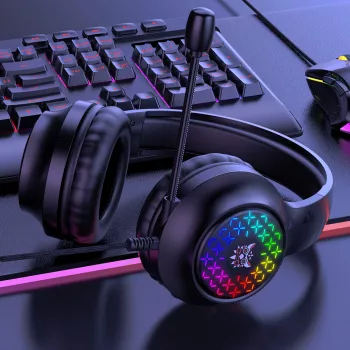
Wired Noise Cancelling Gaming Earphones for Clearer Comms and Focused Play
Wired gaming earphones are a straightforward way to cut distractions, keep audio tightly synced to on-screen action, and stay clearly heard in party chat. With the right fit and connector, they can deliver the practical benefits players care about most: consistent timing cues, reduced room noise, and dependable microphone pickup without worrying about charging or wireless dropouts.
If you’re shopping for an easy, portable headset alternative, Wired Noise Cancelling Gaming Earphones are designed to keep the setup simple across console controllers, PCs, and mobile devices—especially when you confirm the plug type and get a solid ear-tip seal.
What These Earphones Are Built For
- Reliable, lag-free audio for competitive play where timing cues (footsteps, reloads, ability cues) matter.
- Noise reduction via in-ear sealing to help block room sounds during matches and focus on the mix.
- Portable sessions for mobile gaming, handhelds, and travel between setups.
- Clear voice pickup for team chat when the device supports the mic input (or when paired with the right adapter).
For players who bounce between a phone, a controller, and a laptop, wired earphones can be the fastest “plug in and play” route—just make sure the connection standard matches your gear.
Quick Specs and What They Mean in Real Use
Spec sheets can look similar across models, but gaming comfort and chat quality come down to a few practical checkpoints: connector type, fit, cable handling, and system settings.
At-a-glance checklist
| Item to confirm | Why it matters for gaming | Practical tip |
|---|---|---|
| Connector type (3.5mm TRRS vs TRS) | Determines whether the mic works on the device | For PCs with separate jacks, use a TRRS-to-splitter adapter |
| Ear tip fit (seal) | Drives perceived bass, isolation, and footstep clarity | Try multiple tip sizes; a good seal should reduce room noise noticeably |
| Cable length and routing | Affects comfort and snagging at a desk or on-the-go | Clip the cable to a shirt or controller cable for strain relief |
| Mic placement (inline) | Impacts voice consistency when turning the head | Keep the mic module 6–10 inches from the mouth when possible |
| Device volume/headset settings | Avoids low mic gain or echo | Disable “listen to this device” and enable noise suppression if available |
Noise Cancelling vs Noise Isolation: Setting Expectations
Many wired in-ear gaming models reduce noise primarily through passive isolation—the physical seal created by the ear tips—rather than powered active noise cancelling (ANC). Passive isolation can be surprisingly effective for steady background sounds like PC fans, air conditioners, and nearby conversation, but only if the tips seal well.
- If ANC isn’t explicitly listed, assume isolation-based noise reduction.
- Foam tips often block more sound by expanding to fill small gaps.
- Silicone tips can feel cooler and easier to clean, and still isolate well with the right size.
A solid seal also helps keep volume lower during long sessions. For safe listening guidance, consider the recommendations from WHO’s Make Listening Safe initiative.
Game Audio Performance: Footsteps, Direction, and Balance
Competitive awareness depends on repeatable positioning: left/right balance stays consistent only when the earphones sit the same way every match. If an ear tip loosens mid-round, directional cues can feel smeared, and you may miss quick movement behind you.
- Prioritize stability over “extra bass.” Heavy low-end can mask small details like light footsteps, armor swaps, or distant reloads.
- Use platform EQ sparingly. Start with “balanced” or “fps/footsteps” presets, then make small adjustments.
- Keep it wired for synchronization. For mobile and handheld play, wired audio typically tracks action more tightly than Bluetooth, especially in fast shooters and rhythm-heavy titles.
Microphone and Team Chat: Getting a Clean Signal
Inline mics can sound clear when they’re kept at a consistent distance and when background noise is already reduced by a good ear-tip seal. If teammates say your voice is thin or distant, the fix is often positioning and input gain—not shouting into the mic.
If you’re troubleshooting Windows input selection or audio routing, Microsoft’s guidance can help pinpoint settings conflicts: Fix sound or audio problems in Windows.
Comfort and Fit for Long Sessions
For broader information on protecting hearing around noise exposure, NIOSH has practical background details here: NIOSH Occupational noise exposure.
Compatibility Notes: PC, Console, and Mobile
When a Separate Microphone Makes Sense
For an affordable wired option, consider the Professional Wired Condenser Conference Microphone, which can help smooth out plosives and level changes when placed close to your mouth and configured with noise suppression in your chat app.
Care, Durability, and Daily Handling
If you want a simple, travel-friendly setup for consistent sound and chat, Wired Noise Cancelling Gaming Earphones are an easy starting point—especially once you dial in the ear tips and connector compatibility.
FAQ
Do wired gaming earphones reduce lag compared with Bluetooth?
Yes. Wired audio is typically near-instant and avoids Bluetooth encoding latency and battery-related dropouts, making it more consistent for timing-sensitive games.
Will the microphone work on a PC with separate headphone and mic jacks?
Often not without an adapter. If your earphones use a single TRRS plug and your PC has two separate ports, you’ll usually need a TRRS-to-dual-3.5mm splitter and then select the correct input device in your sound settings.
How can the fit be improved if outside noise still comes through?
Try different ear tip sizes and materials and insert the earphones to form a complete seal. Foam tips can increase isolation significantly, and in many wired models the seal is the main factor when ANC isn’t explicitly specified.






Leave a comment