New Kitten Feeding Plan: Food, Schedule & Smooth Switches
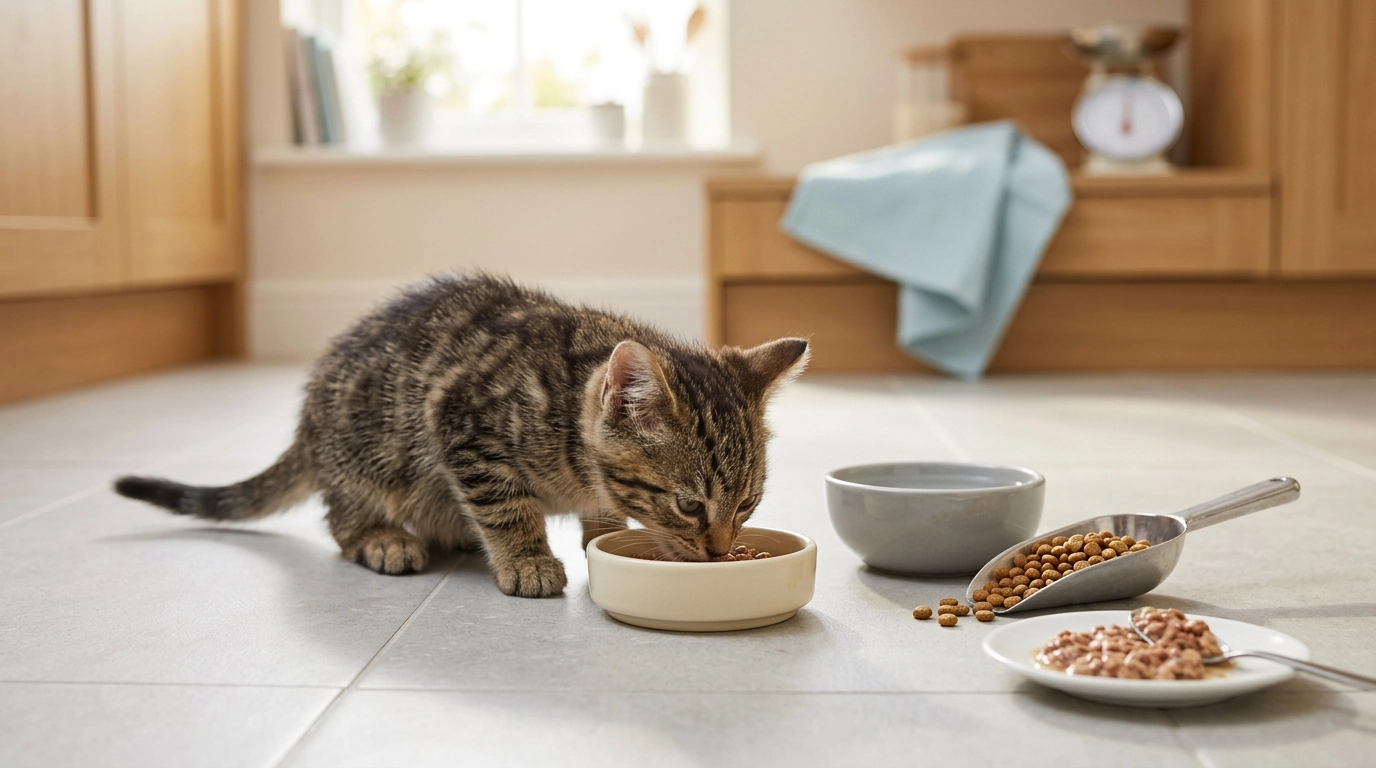
Feeding Your New Kitten Right: A Practical Guide to Healthy Growth and Happy Mealtimes
A kitten’s first months set the foundation for lifelong health. The right food, portion sizes, feeding frequency, and a smooth transition plan can prevent tummy upset, support steady growth, and make mealtimes calmer. Use this guide to choose an appropriate kitten diet, build a simple schedule, and avoid common mistakes—especially during the first week at home.
What Makes Kitten Nutrition Different
Kittens aren’t just “small cats”—their bodies are building bone, muscle, and brain tissue fast, and that changes what they need at mealtime.
- Higher calories per pound: Rapid growth and constant play mean kittens burn more energy than adult cats.
- More protein and fat: Look for foods labeled “complete and balanced” for growth (kitten) or “all life stages.” These statements are tied to standards like AAFCO nutrient profiles.
- Key nutrients to prioritize: animal-based protein, DHA (brain/vision), taurine (heart/eyes), a proper calcium/phosphorus balance (bones/teeth), plus adequate moisture.
- More frequent meals: Small stomachs can’t hold much at once, even though energy needs are high.
- Gentle changes: Sudden food switches can trigger vomiting or diarrhea; transition gradually unless your veterinarian directs otherwise.
For a deeper look at what “complete and balanced” means and how to evaluate a pet food label, see the WSAVA Global Nutrition Guidelines and the AAFCO official publications page.
What Food to Start a New Kitten On
The best “starter food” is usually the one your kitten was already eating. A move to a new home is stressful; keeping meals consistent for the first 7–10 days can reduce stress-related digestive upset.
- Match the previous diet when possible: If you adopted through a shelter or breeder, ask for the exact brand, formula, and texture.
- Choose kitten (or all-life-stages) formulas: Confirm it meets AAFCO nutrient profiles for growth.
- Wet food benefits: Higher moisture, often more palatable, and may support hydration—especially helpful for kittens who don’t drink much.
- Dry food benefits: Convenient, easy to portion, and great for puzzle feeders (with fresh water always available).
- Mixed feeding works well: Use wet food for routine meals and measured dry kibble for enrichment or small snacks.
- Avoid cow’s milk: Many kittens are lactose intolerant, which can lead to diarrhea.
- Not fully weaned? For kittens under 8 weeks or those not eating solids reliably, use a veterinarian-recommended kitten milk replacer (KMR). Skip homemade formulas.
If you want a structured, beginner-friendly plan for the first month (shopping list, transition checklist, and troubleshooting), see Feeding Your New Kitten Right | Essential Kitten Nutrition eBook | Learn What Food to Start a New Kitten On for Healthy Growth & Happy Mealtimes.
Feeding Schedule by Age (and How Much to Offer)
Start with the feeding guide on your kitten food package, then fine-tune based on body condition, energy, and stool quality. Measuring matters: use a kitchen scale for grams or a standardized measuring cup to avoid “portion creep.”
Signs your plan is working include steady weight gain, bright eyes, playful behavior, formed stools, and a gently rounded—not distended—belly. If your kitten seems constantly hungry or weight gain stalls, contact a veterinarian to rule out parasites or illness (resources like the Cornell Feline Health Center can help you understand common kitten health concerns).
| Kitten age | Meals per day | Food texture | Notes |
|---|---|---|---|
| 6–8 weeks | 4–6 | Soft/wet or moistened kibble | Newly weaned kittens do best with smaller, frequent meals; monitor stool closely. |
| 8–12 weeks | 4 | Wet, or wet + dry | Great time to introduce variety of approved kitten formulas slowly. |
| 3–6 months | 3 | Wet + dry (measured) | Growth is rapid; adjust portions as weight increases. |
| 6–12 months | 2–3 | Wet + dry (measured) | Begin planning an adult-food transition closer to 10–12 months if advised. |
How to Switch Foods Without Upset
Most kittens do best with a slow transition that gives the gut time to adapt. Rushing changes is a common cause of loose stools.
Common Feeding Mistakes to Avoid
Making Mealtimes Easier: Routine, Enrichment, and Hydration
If staying consistent is the hard part, setting simple reminders and routines can help: AI-Powered Days: Master Your Schedule with Smart Automation | Productivity eBook for Busy Professionals | Learn how to use AI to organize my day, automate tasks, and master your routine with smart tools.
A Deeper Step-by-Step Plan for New Kitten Owners
For a clearer week-by-week plan (including a starter shopping list, portion guidance, transition checklists, and troubleshooting for picky eaters), use the dedicated guide: Feeding Your New Kitten Right | Essential Kitten Nutrition eBook. It’s especially helpful for first-time kitten owners who want a simple routine and fewer feeding missteps during the first month.
FAQ
Should a kitten eat wet food or dry food?
Either can work if it’s complete and balanced for kittens. Wet food supports hydration and is often very palatable, while dry food is convenient and easy to portion; many kittens do well with a measured combination.
How often should a new kitten be fed?
Younger kittens typically need 4 or more meals per day, then gradually move to 3 meals as they grow. By 6–12 months, many do well on 2–3 meals depending on body condition and veterinary guidance.
How do you know if you’re feeding a kitten enough?
Look for steady weight gain, good energy, and formed stools. If weight gain stalls, your kitten seems constantly hungry, or stools stay abnormal, a veterinarian can help check for parasites or other issues.





Leave a comment