Global Etiquette Guide for Travelers (Digital eBook)
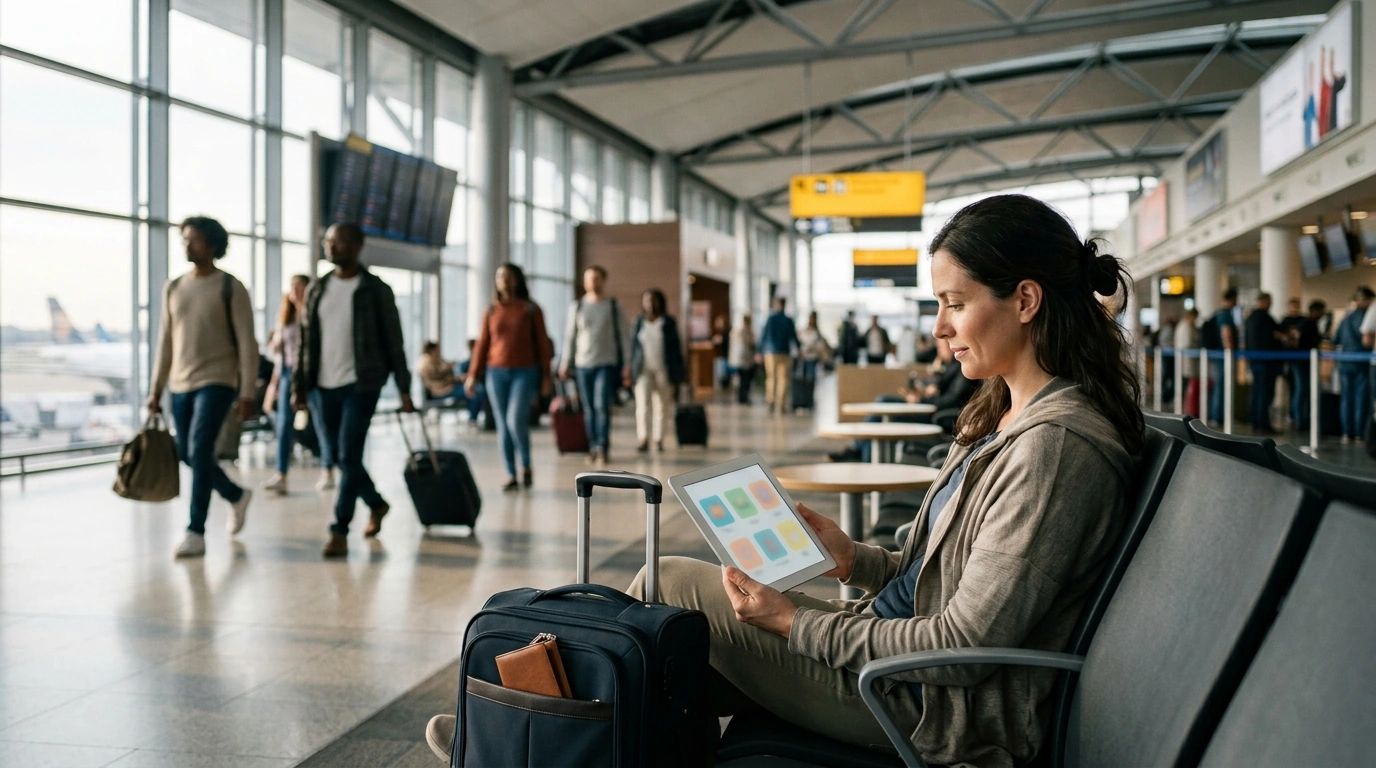
The Smart Traveler’s Guide to Global Etiquette: a practical digital companion
Good manners travel well, but expectations change across borders—sometimes from one neighborhood to the next. The Smart Traveler’s Guide to Global Etiquette (Digital Download) is built for real trips: quick scans before you leave, fast checks during a busy day, and clear reminders when you’re bouncing between countries on one itinerary. Instead of overthinking every interaction, you’ll learn how to spot local norms fast and choose the most respectful option in greetings, dining, public behavior, and professional settings.
Why Global Etiquette Matters More Than Ever
International travel is smoother when you align with local expectations—especially in high-friction places like airports, hotels, restaurants, and public transit. Small choices (where you stand in line, how loudly you speak, whether you tip) can either build trust or create unnecessary tension.
- Reduce friction by matching local norms in queues, service encounters, and shared spaces.
- Build rapport quickly with hosts, staff, and new contacts through culturally aware “small signals.”
- Avoid unintended disrespect when rules differ around personal space, punctuality, volume, or formality.
- Feel more confident when visiting multiple countries and switching etiquette “modes” between them.
- Turn common “tourist mistakes” into informed choices by learning what a gesture communicates locally.
For broader trip planning and safety updates, it’s also smart to check official guidance before you go, such as the U.S. Department of State travel resources and the UK Foreign travel advice.
Fast Etiquette Framework: Read the Room in 60 Seconds
When you arrive somewhere new, the fastest way to act appropriately is to observe first—then mirror the safest parts of what you see. If you’re unsure, respectful formality is usually the least risky default until someone invites a more casual approach.
- Observe first: watch how locals queue, greet, and use personal space before you copy.
- Start formal: polite greetings, titles, and conservative assumptions until you’re told otherwise.
- Mind the “big four” signals: eye contact, touch, distance, and voice level.
- Ask gracefully: “Is it customary to…?” beats guessing when the stakes feel unclear.
- Keep a quick checklist: greetings, tipping, dining habits, and taboos for each stop.
Quick read: common signals and safer defaults
| Situation | What to notice | Safer default |
|---|---|---|
| Greeting | Handshake, bow, cheek-kiss, or verbal greeting | Wait for the other person to initiate touch; offer a warm verbal greeting |
| Personal space | How close people stand in conversation | Leave a bit more space than locals; adjust if others move closer |
| Time & punctuality | How strictly schedules are followed | Arrive on time; follow local cues for flexibility |
| Public behavior | Phone use, eating on the go, speaking volume | Keep volume low; follow posted rules and local habits |
| Photography | Whether people avoid being photographed | Ask permission before taking close-up photos of people or private spaces |
Greetings, Introductions, and Everyday Politeness
First impressions carry extra weight when you’re a guest. In many places, what feels “friendly” at home can read as overly familiar elsewhere—especially with names, titles, and touch.
- Names and titles: use honorifics where common; switch to first names only when invited.
- Hand gestures: don’t assume gestures are universal; keep motions minimal in unfamiliar settings.
- Shoes, hats, and religious spaces: check signage and follow what locals do at entrances.
- Gift basics: keep gifts modest; consider packaging, colors, and whether gifts are opened immediately.
- Language habits: learn “hello,” “please,” “thank you,” and “excuse me” and use them often.
For travelers who like quick, portable reference, the digital format of The Smart Traveler’s Guide to Global Etiquette (Digital Download) makes it easy to double-check details without packing another paper book.
Dining Etiquette That Prevents Awkward Moments
Meals are where etiquette differences show up fast: when to start eating, how to handle shared plates, and who pays. If there’s one reliable rule, it’s to slow down and look for cues.
- Seating and starting: in formal settings, wait for a cue to sit or begin eating.
- Hands and utensils: follow local norms for cutlery, chopsticks, bread, and shared dishes.
- Paying and splitting: expectations vary—some cultures prefer treating, others prefer separate checks.
- Tipping: confirm local standards; overtipping can confuse, undertipping can offend.
- Dietary needs: communicate clearly and politely; learn key allergy phrases and common ingredients.
Public Spaces: Transit, Lines, Noise, and Phones
Public etiquette is often less about “rules” and more about showing you’re aware of other people sharing the space. The right move is usually the one that creates the least disruption.
Work Trips and Formal Settings: Meetings, Networking, and Professional Courtesy
If you travel for meetings or remote presentations, a compact audio upgrade can help you sound clear and courteous across time zones. Consider the Professional Wired Condenser Conference Microphone for straightforward, plug-in use.
Using the Digital Download eBook as a Trip Companion
To keep trip logistics and routines organized alongside your etiquette prep, AI-Powered Days: Master Your Schedule with Smart Automation (Productivity eBook) is a helpful add-on for planning, checklists, and follow-ups—especially on busy, multi-leg travel weeks.
FAQ
Is this etiquette guide useful for both vacations and business travel?
Yes. It covers everyday situations like greetings, dining, tipping, and public-space habits, and it also includes guidance for professional settings such as meetings, networking, and follow-up communication.
How can etiquette be handled respectfully when local customs conflict with personal boundaries?
Choose polite alternatives that still show respect, such as a warm verbal greeting instead of touch, a small step back to adjust distance, or a simple, calm refusal of alcohol. Keeping your tone friendly and brief usually works better than overexplaining.
What are the most common etiquette mistakes travelers make internationally?
The most frequent missteps include assuming tipping rules, misreading personal space, speaking too loudly or using speakerphone, taking photos without consent, and using gestures or titles that carry different meanings locally.






Leave a comment